
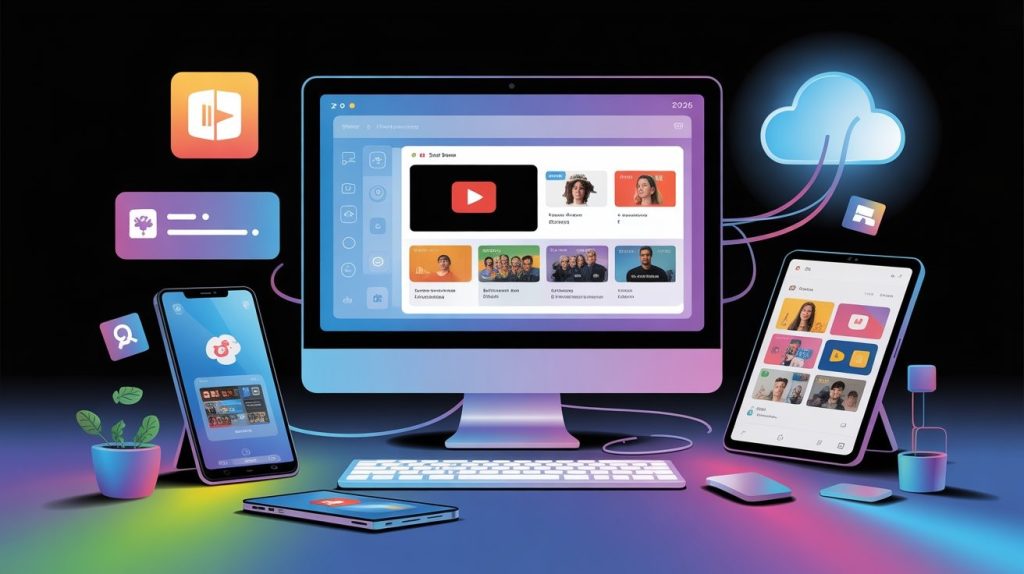
In 2026, the boundaries between mobile and desktop computing continue to blur. Users no longer rely on a single device for content consumption; instead, they move seamlessly between smartphones, tablets, and personal computers.
Within this evolving digital environment, Snaptube—traditionally known as an Android-based media utility—has found growing relevance in the broader Windows ecosystem, even without being a native Windows application.
Rather than existing in isolation, Snaptube APK now plays a complementary role alongside Windows systems, shaped by user behavior, cross-platform workflows, and advances in software compatibility.
The Changing Nature of Media Consumption
Modern users consume digital content across multiple screens. While mobile devices offer portability and convenience, Windows PCs remain central for productivity, storage, and media management. High-resolution displays, larger storage capacities, and advanced processing power make Windows systems ideal for handling large media libraries.
Snaptube fits into this ecosystem by serving as a mobile-first content acquisition and management tool, while Windows acts as a hub for organizing, viewing, editing, or archiving media files. This division of roles reflects how users naturally distribute tasks across devices in 2026.
Cross-Device Media Workflows
One of the strongest connections between Snaptube iOS and Windows lies in cross-device workflows. Users often interact with media on their mobile devices and then continue those activities on their PCs. For example, content saved for offline use may later be transferred to a Windows computer for:
- Viewing on a larger screen
- Long-term storage and backup
- Media editing or conversion
- Integration into presentations or creative projects
In this context, Snaptube functions as part of a broader media pipeline rather than a standalone solution.
Android Apps and Windows Compatibility
The Windows ecosystem has steadily expanded its support for Android-based environments through emulation, virtualization, and subsystem technologies. By 2026, running mobile apps within a Windows environment is no longer considered niche or experimental.
This technological shift has indirectly increased the relevance of apps like Snaptube for Windows users. Even without official desktop support, the ability to interact with Android applications within a PC-centric workflow allows users to extend the utility of mobile apps into desktop use cases.
Windows as a Media Management Hub
Windows PCs continue to serve as the primary location for media organization and control. File systems, folder structures, external drives, and professional-grade software make Windows ideal for handling large collections of video and audio files.
Snaptube aligns with this reality by complementing Windows rather than competing with it. The app addresses mobile content access, while Windows supports deeper management, playback customization, and long-term organization. This relationship highlights how specialized tools can coexist across platforms, each focusing on its strengths.
Productivity and Multitasking Advantages
In 2026, productivity is not limited to office tasks. Many users multitask between entertainment, learning, and creative work. Windows environments are well-suited for this, allowing multiple applications, screens, and workflows to run simultaneously.
Snaptube-generated media can be part of these workflows—used in educational materials, reference content, or creative projects. This makes the app indirectly relevant to professionals, students, and creators who rely on Windows systems for multitasking and content production.
The Role of Cloud and File Synchronization
Another factor strengthening the Snaptube–Windows connection is the widespread use of cloud storage and synchronization services. Media accessed or managed on one device can be mirrored or backed up on another, creating a cohesive experience across platforms.
This interconnected ecosystem reduces dependency on any single device and reinforces Snaptube’s role as one component within a larger digital environment that includes Windows PCs.
Looking Ahead: Smarter Integration
As artificial intelligence, automation, and cross-platform frameworks continue to evolve, the integration between mobile utilities and desktop systems is expected to deepen. Rather than requiring native desktop versions of every app, future ecosystems may focus more on interoperability and intelligent content flow.
Snaptube’s relevance in 2026 lies not in becoming a full Windows application, but in fitting naturally into user habits that span devices. By supporting how users already move between mobile and desktop environments, it remains aligned with modern computing trends.
Conclusion
In 2026, Snaptube fits into the Windows ecosystem not as a direct replacement for desktop software, but as a supporting tool within a multi-device lifestyle. Its value emerges through cross-device media workflows, Windows-based content management, and evolving compatibility between mobile apps and desktop systems.
As users continue to demand flexibility, continuity, and efficiency across platforms, the relationship between Snaptube and Windows reflects a broader shift in how digital tools coexist—each playing a distinct role in an increasingly connected ecosystem.