
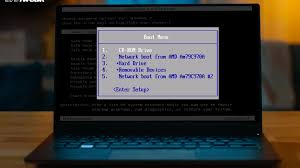
When you power on your computer, a complex sequence of processes begins before you even see your operating system load. This process, known as booting, is essential for starting your system and ensuring that all components function correctly. While most users rarely think about it, boot management plays a critical role in system performance, flexibility, and troubleshooting.
Whether you are running a single operating system or managing multiple environments, understanding boot management can help you take full control of your computer.
What Is Boot Management?
Boot management refers to the process of controlling how a computer starts up and which operating system is loaded. This is handled by a bootloader, a small program that runs before the operating system.
The bootloader is responsible for locating the operating system on your storage device and initiating its startup process. In systems with multiple operating systems, the bootloader presents a menu that allows users to choose which one to load.
Popular bootloaders include Windows Boot Manager and GRUB (Grand Unified Bootloader), commonly used in Linux systems.
Why Multi-Boot Systems Matter
Multi-boot systems allow users to install and run more than one operating system on a single computer. This setup is particularly useful for developers, IT professionals, and enthusiasts who need to work with different environments.
For example, a user might install both Windows and Linux on the same machine. Windows can be used for everyday tasks and software compatibility, while Linux can be used for development, security testing, or server management.
This flexibility makes multi-boot systems a powerful tool for productivity and experimentation.
In the broader digital landscape, users often encounter a wide range of tools and platforms while exploring system configurations. Occasionally, unrelated references such as parimatch slot may appear during online searches, but focusing on reliable technical resources ensures an accurate understanding and effective system management.
How Bootloaders Work
When a computer is turned on, the firmware (BIOS or UEFI) performs initial hardware checks and then hands control over to the bootloader. The bootloader reads configuration files to determine which operating systems are available.
In a multi-boot setup, the bootloader displays a menu with options. Users can select their preferred operating system, and the bootloader will load the necessary kernel and system files.
The configuration of the bootloader is crucial. Incorrect settings can lead to boot errors or prevent certain operating systems from loading.
Managing Boot Configuration
Boot configuration involves setting up and maintaining the bootloader to ensure smooth operation. This includes adding or removing operating systems, setting default options, and adjusting boot order.
Tools designed for boot management simplify this process by providing user-friendly interfaces. Instead of editing complex configuration files manually, users can make changes through graphical tools.
These tools allow you to:
- Add new operating systems to the boot menu
- Rename entries for clarity
- Set a default operating system
- Adjust timeout settings for menu selection
Proper configuration ensures that your system starts efficiently and provides easy access to all installed environments.
Troubleshooting Boot Issues
Boot problems can be frustrating, but understanding the basics of boot management can help resolve them effectively. Common issues include missing boot entries, corrupted bootloaders, and system errors.
One of the most common problems occurs when installing a new operating system, which may overwrite the existing bootloader. This can make previously installed systems inaccessible.
To fix such issues, users can use recovery tools or bootable media to repair the bootloader. Commands and utilities are available for both Windows and Linux systems to rebuild or restore boot configurations.
Regular backups of important data and system settings can also prevent data loss during troubleshooting.
UEFI vs. Legacy BIOS
Modern computers use UEFI (Unified Extensible Firmware Interface) instead of the older BIOS system. UEFI offers several advantages, including faster boot times, improved security, and support for larger storage devices.
However, UEFI introduces additional complexity in boot management. For example, it uses a different partitioning system (GPT) and requires specific configurations for bootloaders.
Understanding whether your system uses UEFI or BIOS is important when setting up or troubleshooting boot configurations.
Best Practices for Boot Management
To ensure a smooth and reliable boot process, it is important to follow best practices:
- Keep your system updated: Regular updates can fix bugs and improve compatibility.
- Use reliable tools: Choose trusted software for managing boot configurations.
- Backup your data: Always have a backup before making significant changes.
- Document your setup: Keeping track of configurations can help during troubleshooting.
By following these practices, you can minimize the risk of errors and maintain a stable system.
Security Considerations
Boot management also plays a role in system security. Features such as Secure Boot help protect against unauthorized software during startup.
Secure Boot ensures that only trusted software is loaded, preventing malicious programs from compromising the system. However, it may need to be disabled or configured when installing certain operating systems.
Understanding these security features allows users to balance protection with flexibility.
The Future of Boot Management
As technology continues to evolve, boot management is becoming more advanced and user-friendly. New tools and interfaces are making it easier for users to manage complex configurations without requiring deep technical knowledge.
Virtualization is also changing how users interact with multiple operating systems. Instead of dual-booting, many users now run virtual machines within a single operating system. While this approach offers convenience, traditional multi-boot setups still provide better performance for certain tasks.
The integration of cloud computing and remote environments may further influence how systems are configured and managed in the future.
Conclusion
Boot management is a fundamental aspect of computer systems that often goes unnoticed. From selecting an operating system to troubleshooting startup issues, it plays a crucial role in ensuring a smooth and efficient computing experience.
By understanding how bootloaders work, how to manage configurations, and how to resolve common issues, users can take full control of their systems. Whether you are a casual user or a tech enthusiast, mastering boot management can enhance both your productivity and confidence in handling complex setups.
In a world where flexibility and efficiency are key, having control over your system’s startup process is more valuable than ever.